Nature Play and the Sense of Touch
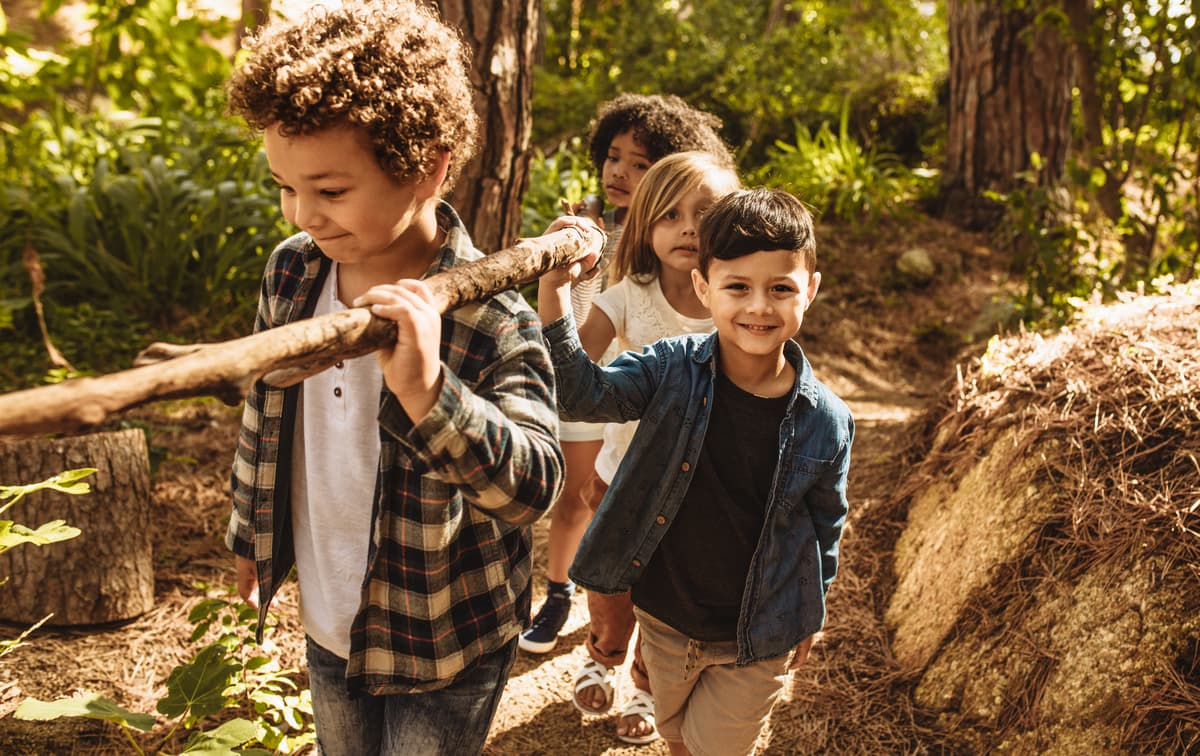
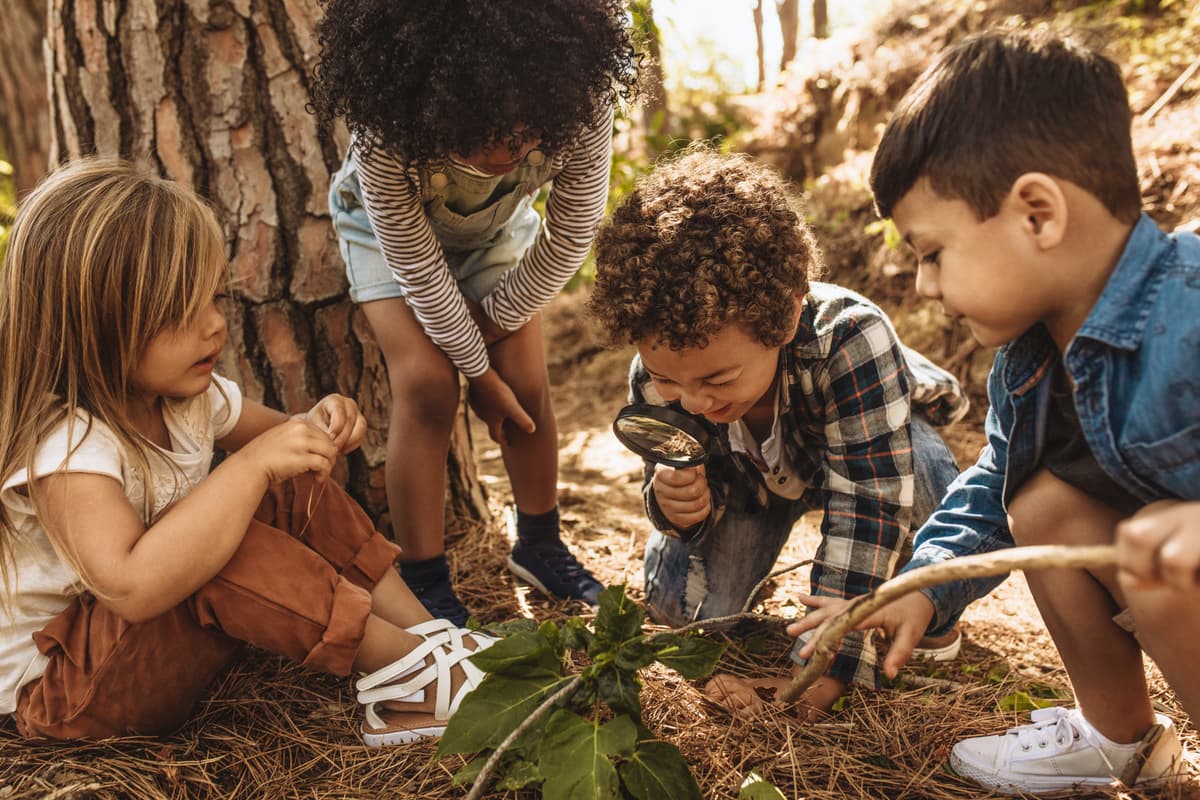
Soft, fuzzy, smooth, bumpy, prickly, warm, cool, cold, muddy, sandy, leafy, and wet — nature gives children endless ways to understand the world through touch.
Touch helps children understand their surroundings.
Our skin is our largest organ and is constantly receiving information about the environment. Through touch, children learn about temperature, texture, pressure, comfort, danger, and the physical qualities of the world around them.
A hot surface tells the body to pull away. A warm fuzzy blanket can communicate comfort and safety. A rough piece of bark, cold water, soft moss, or gritty sand all send completely different kinds of sensory information to the brain.
Texture and temperature turn an ordinary outdoor space into a full-body sensory experience.
Think Texture and Temperature
One of the easiest ways to increase tactile value in a play space is to look for variety.
Soft. Fuzzy. Smooth. Hard. Bumpy. Prickly. Warm. Cool. Cold. Icy. The more variation children can explore, the more opportunities they have to understand and respond to different tactile experiences.
Let Children Explore Touch on Their Own Terms
Some children seek out strong tactile input, while others are much more sensitive to it.
A space with a wide variety of textures and temperatures lets children approach those experiences at their own pace. That can be especially valuable for children who are hypersensitive or hyposensitive to touch and need more control over the sensory input they receive.
Give children lots of the textures they already love, then let curiosity do the rest.
Mud, Water & Sand
Mud kitchens, water play, sand play, and combinations of all three offer huge tactile variety.
Children can experience wet and dry, warm and cool, gritty and smooth, sticky and slippery — often within the same play session. Tools, containers, spoons, scoops, buckets, and natural materials can expand the experience even further.
Natural Loose Parts
Loose parts are another easy way to add tactile richness. Branches, leaves, bark, stones, cones, seed pods, acorns, shells, grasses, and other natural materials all invite children to pick up, sort, carry, stack, rub, squeeze, and manipulate different textures.
A loose-parts area may occasionally look beautifully chaotic, but the sensory value can be enormous.
Nature Looms & Sensory Paths
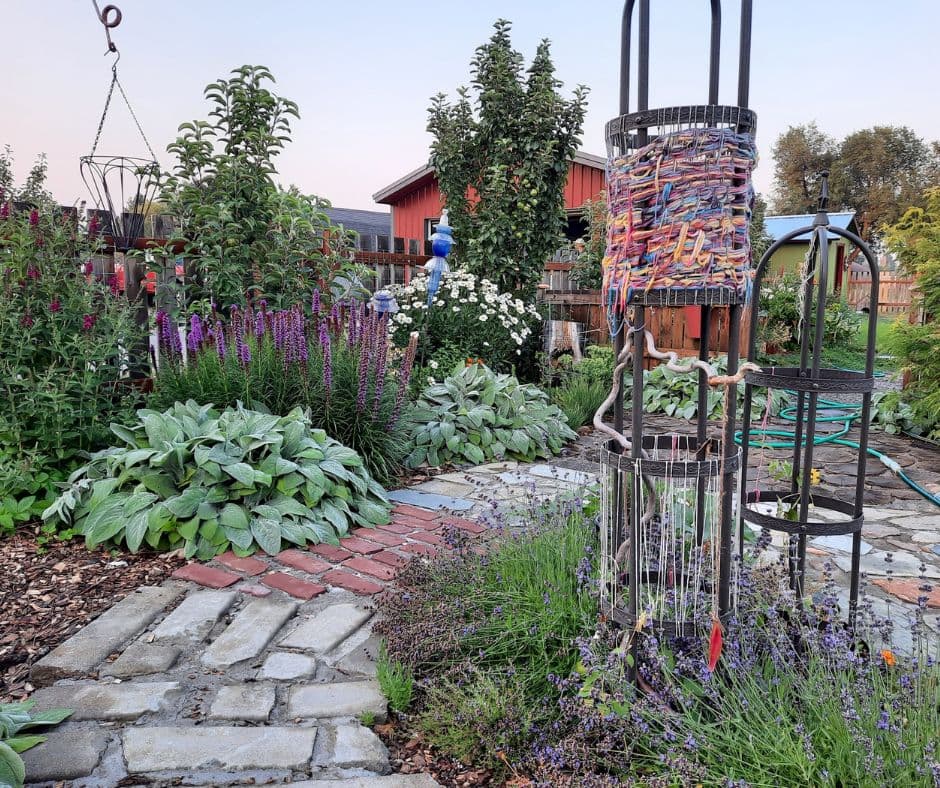
A garden trellis, obelisk, or section of fencing can become a simple nature loom where children weave grasses, leaves, flowers, twigs, and other found materials.
Sensory paths can also combine multiple textures underfoot and encourage children to experience natural materials through hands, feet, balance, and movement.
Cozy Spaces Matter Too
Tactile experiences do not always need to be intense or messy. Soft outdoor cushions, blankets, enclosed nooks, or comfortable seating areas can provide soothing tactile input and a place to regulate.
Sensory-rich design works best when children can move between stimulation and comfort depending on what their bodies need.
Sensory Plants for Touch
Plants are some of the best tactile materials available because every part of them can feel different: bark, leaves, stems, flowers, seed heads, cones, pods, and grasses.
Jena suggests using tactile plants where children naturally spend time — near sand areas, cozy spaces, fairy gardens, paths, or gathering areas — so the plants are close enough to be touched again and again.
Big Ears Lamb’s Ears
Lamb’s ears is one of Jena’s favorite tactile plants. The broad leaves are exceptionally soft and fleecy, making them inviting even for many children who are cautious about touch.
The Big Ears variety is especially useful because it offers that dramatic fuzzy texture without spreading quite as aggressively as some other varieties.
Coneflower
Coneflowers offer almost the opposite experience. Their seed heads are firm and spiny, creating a strong textural contrast next to something soft like lamb’s ears.
Leaving the seed heads in place through fall and winter also extends their play value while providing food for birds.
Woolly Thyme
Woolly thyme creates a low-growing, soft surface that children can even walk across barefoot.
Plants like this are especially useful along paths and stepping areas where children naturally come into direct contact with the landscape.
Purple Emperor Sedum
Sedum adds yet another tactile quality through its thick, succulent leaves and fluffy flower heads.
Leaving the dried flowers through winter can add texture and seasonal interest long after the growing season ends.
Little Bunny Dwarf Fountain Grass
Fine grass blades and very soft seed heads make dwarf fountain grass particularly inviting to touch.
Its small size also makes it easy to place near child-scale pathways and activity areas where little hands can naturally reach it.
Create Contrast
Tactile planting becomes especially interesting when dramatically different textures are planted together.
A spiny coneflower beside fuzzy lamb’s ears, soft grasses near rough bark, or smooth leaves beside textured seed heads gives children an immediate opportunity to compare how different plants feel.
Let Children Know Nature Through Their Hands
Touch turns nature from something children look at into something they actively know.
Through digging, gathering, weaving, planting, splashing, building, and touching living plants, children become participants in the outdoor environment rather than observers standing beside it.
As always, plants used in children’s play spaces should be non-toxic, and pesticides, herbicides, and other harmful chemicals should be avoided in areas where children play.
Nature Play for the 7 Senses
Explore more ways to create sensory-rich natural play and learning spaces for children through Jena’s guide to the seven sensory systems.
Explore the Guide >