Welcome to N Is for Nature Play!
A big, warm, tree-huggin’ welcome — and a look at why sensory-rich nature play matters so much for children, families, and the people who care for them.
A Big, Warm, Tree Huggin’ Welcome
Whether you are brand new to nature play or already deep in the world of outdoor learning, Jena created N Is for Nature Play to share a fresh, heartfelt perspective on why natural play matters so much for children.
Jena is a landscape architect with more than 20 years of experience designing nature-based play, learning, and therapeutic landscapes for children of many different abilities and diversities. Today, she teaches parents, educators, therapeutic professionals, and others how to create sensory-rich spaces where kids can play, learn, regulate, and grow.
The goal is not just to build prettier outdoor spaces. It is to create places where children can truly blossom.
Nature Play for All 7 Senses
Jena’s approach centers on engaging all seven sensory systems: sight, touch, taste, smell, sound, vestibular processing, and proprioception.
That matters because children learn, regulate, move, and connect through sensory experience. A rich outdoor environment gives them many different ways to seek the kind and intensity of input that works best for their bodies.
Reason #1: Sensory-Rich Nature Play Is Inclusive
Children are wonderfully different from one another. They have different bodies, learning styles, sensory needs, strengths, and ways of engaging with the world.
Jena compares this to gardening: every plant has different conditions in which it thrives. Children are no different. Sensory-rich nature play works well because it offers more than one way to participate, learn, move, and explore.
A child can learn letters sitting at a table, drawing them in sand, building them with natural materials, or tracing them with a finger. They can sit, kneel, lie on their stomach, stand, pace, or move while learning.
Nature does not ask every child to experience the world in the same way.
Nature Meets Children Where They Are
One of the most powerful things about natural environments is their flexibility.
Nature can be quiet or stimulating, gentle or challenging, structured or open-ended. Children can observe, climb, hide, build, dig, move, rest, collect, or simply sit and watch.
Jena describes nature as a companion that can meet children where they are physically, cognitively, emotionally, and socially.
Reason #2: Sensory-Rich Nature Play Is Healing
Nature’s relationship with physical and emotional well-being is one of the reasons Jena believes so strongly in natural play and learning environments.
She points to research around nature and well-being, but also to something more personal: her own experience of recovering from cancer, emergency surgeries, exhaustion, and the intense demands of early motherhood.
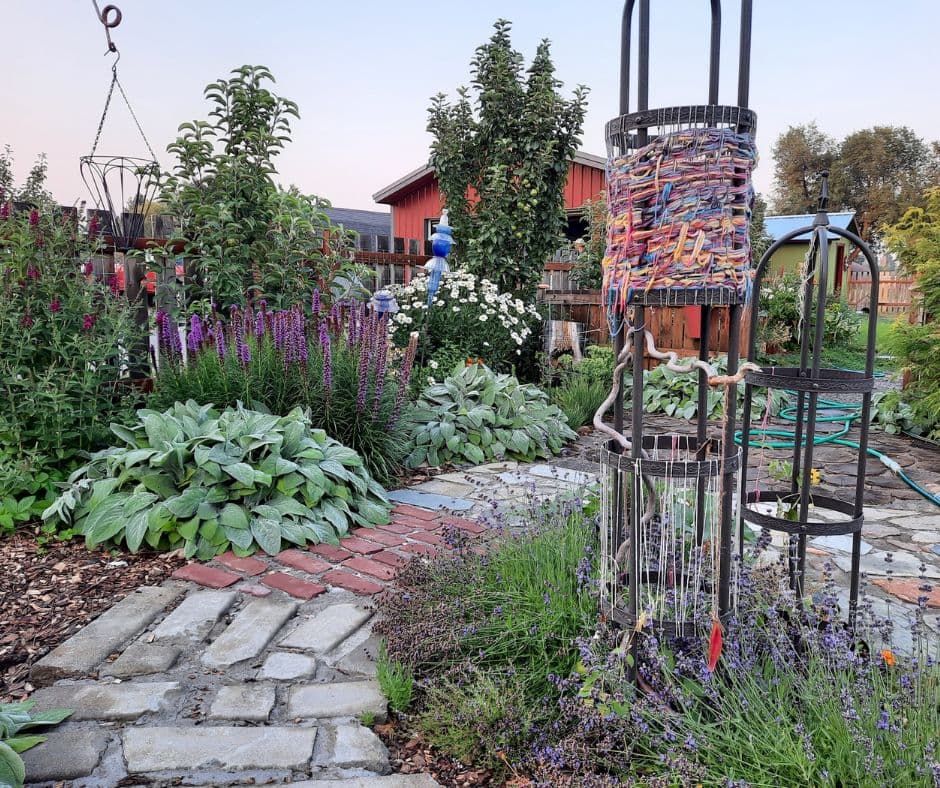
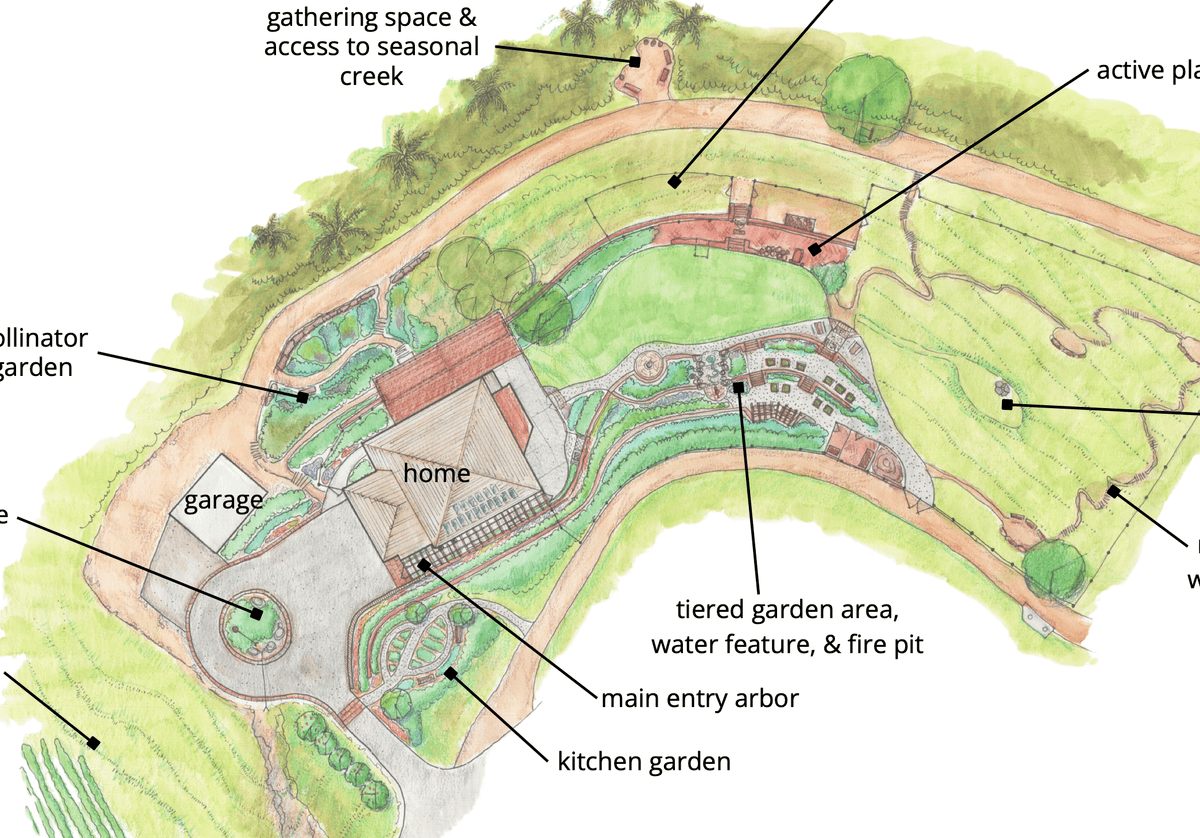
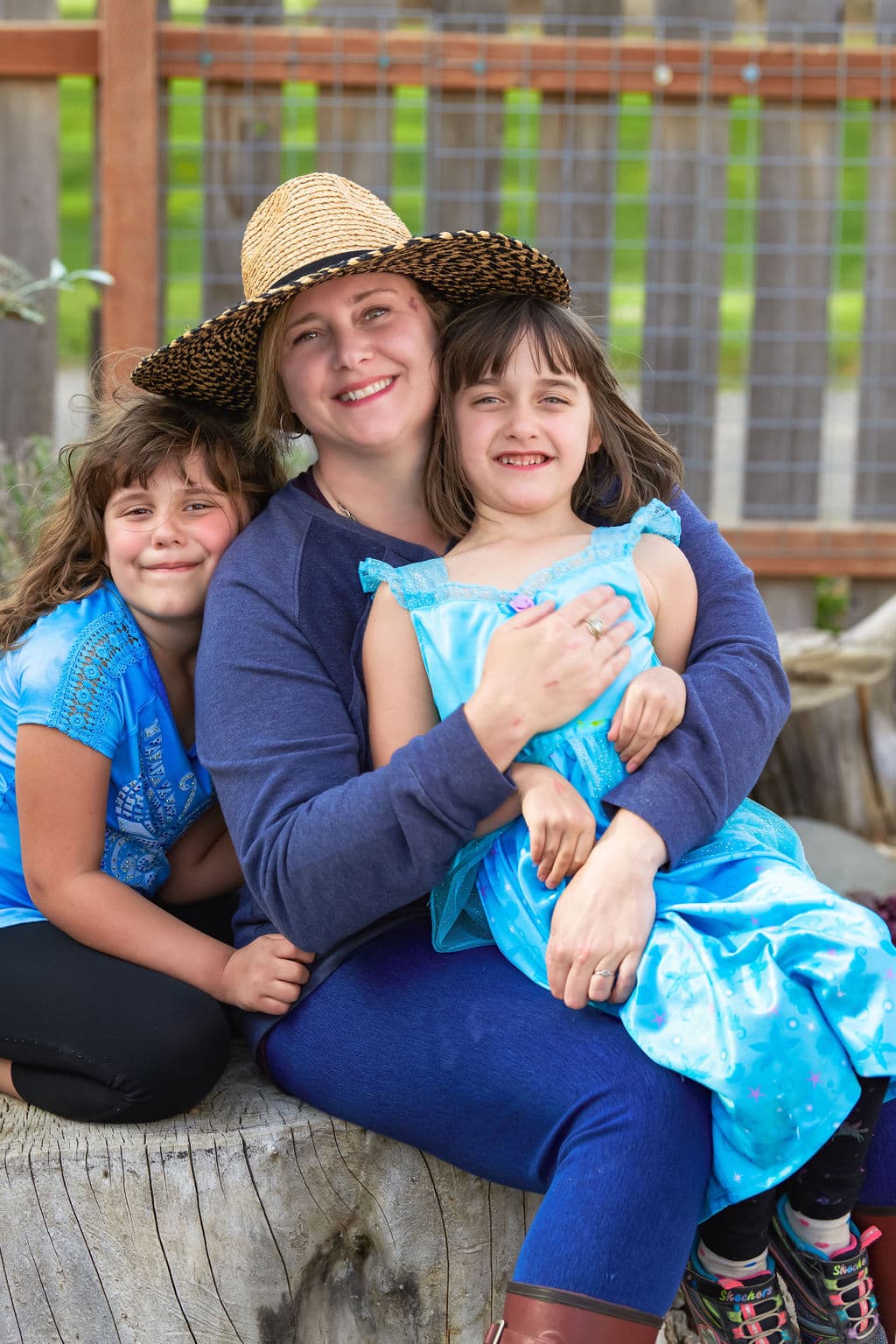
In 2018, she began building a children’s sensory garden at home with help and enthusiastic supervision from her daughters. Over time, that garden became not just a place for the children, but a source of physical activity, mental clarity, emotional support, and connection for the whole family.
A nature play space can support the whole family, not just the children using it.
Reason #3: Sensory-Rich Nature Play Brings Joy
The third reason is simpler: joy.
Jena writes that one of the great purposes of childhood is discovering what brings us joy — and that children seem to understand this instinctively. They notice tiny things. They connect deeply. They play without needing a productivity goal attached to it.
Adults often lose some of that ability as life becomes centered around schedules, achievement, efficiency, and the next thing that needs to get done.
Children can remind us that joy usually lives in much smaller moments: finding a frog, watching a bug, digging in the dirt, building something strange, noticing a flower, or simply being outside together.
Children Can Be Our Teachers
One of the deeper ideas behind N Is for Nature Play is that children are not just recipients of good design or good parenting.
They can show adults how to slow down, notice more, question old assumptions, and experience the world with more curiosity and individuality.
Nature-rich spaces give them somewhere to do exactly that.
Nature Play for the 7 Senses
Explore Jena’s guide to creating natural play and learning spaces that support all seven sensory systems and give children more ways to move, explore, regulate, and connect.
Explore the Guide >