Nature Play for Our Children's 7 Senses
Children experience the world through far more than sight, sound, touch, taste, and smell. Movement and body awareness matter too — and nature gives all seven systems room to work together.
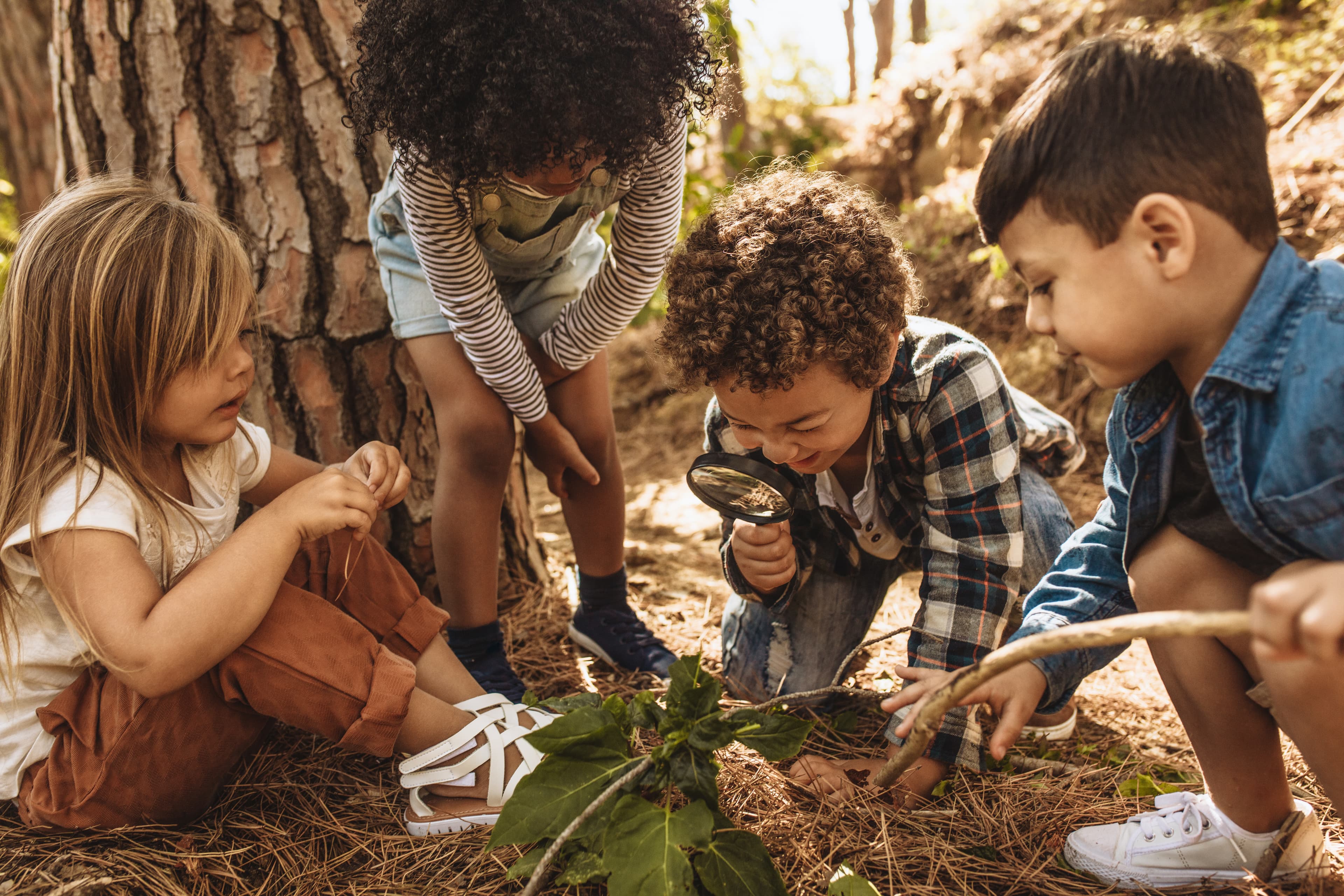
Sometimes nature reaches children in ways we cannot predict.
Jena opens this post with a story shared by the former director of a small nature center in the Midwest.
During an elementary school field trip, a teacher stood apart from the group crying. When the director checked on her, the teacher explained that one of her students — a boy with autism who had been nonverbal since birth — had approached her after only a short time at the nature center and spoken a full sentence about how beautiful the place was and how good the air smelled.
We may never know exactly what happened for that child in that moment. But the story captures something important: sensory experience can create openings for connection, expression, and engagement that adults cannot always anticipate.
Nature gives children many different ways to connect with the world — and sometimes one of those ways opens a door.
We All Understand the World Through Our Senses
Our sensory systems are constantly receiving information and helping the brain interpret what is happening around us.
Heat from a campfire tells us to step back. The smell of something familiar tells us what might be cooking. Texture, sound, movement, temperature, pressure, balance, and body position all contribute to our understanding of a place.
Children Need Rich Sensory Experience
Childhood is a foundational period for sensory, neurological, motor, and cognitive development.
Jena’s central argument is that children need varied, experiential sensory input in their daily lives — and nature-rich environments naturally provide enormous amounts of it.
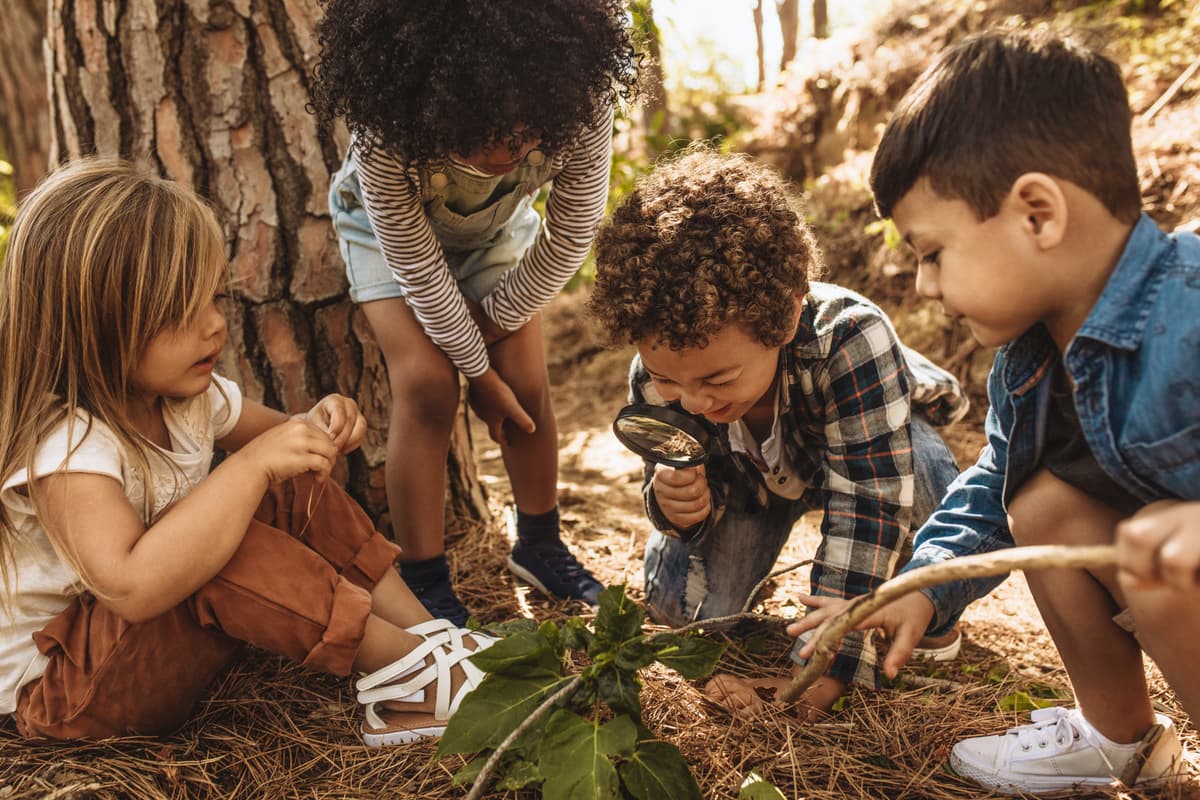
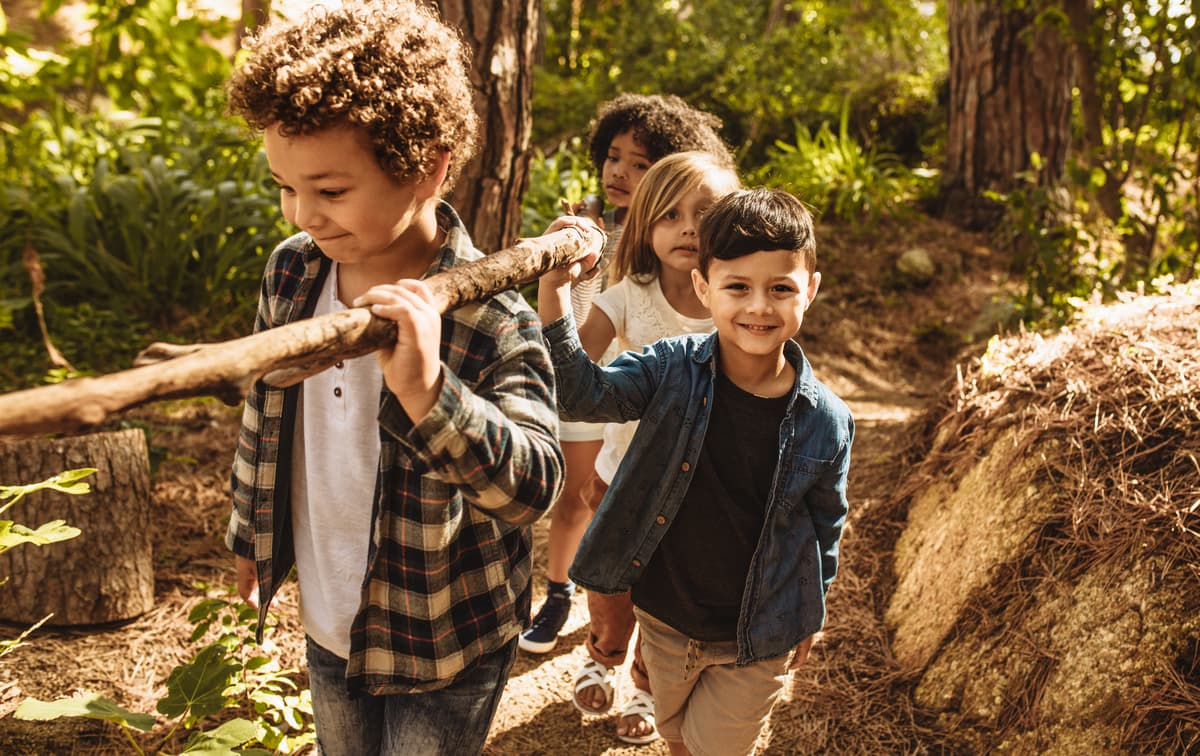
Digging in dirt, walking barefoot in grass, carrying sticks, splashing in a creek, climbing, listening to birds, smelling plants, balancing on logs, and playing with loose natural materials all involve multiple sensory systems at once.
A sensory-rich environment is often simply a nature-rich environment.
Children Do Not All Experience Sensory Input the Same Way
Sensory processing varies from person to person.
A sensation that barely registers for one child may be intensely uncomfortable for another. A clothing seam, a loud siren, a particular texture, or fast movement can feel completely different depending on how that child's sensory system processes input.
Some children may be hypersensitive and experience too much input. Others may be hyposensitive and seek stronger stimulation. In either case, children often gravitate toward experiences that help their bodies find a more comfortable level of sensory input.
Inclusive Sensory Design Benefits Everyone
One of Jena's major conclusions from decades of designing outdoor environments for children is that spaces designed thoughtfully for children with autism and sensory differences tend to become better spaces for all children.
Variety matters. Choice matters. Children benefit when a space offers opportunities for strong movement, gentle movement, texture, quiet, sound, retreat, climbing, observation, touch, and open-ended exploration rather than expecting every child to interact with the environment in exactly the same way.
So What Are the 7 Senses?
Most of us grow up learning about five senses:
touch, sight, taste, smell, and sound.
Those absolutely matter, but there are two additional sensory systems that are especially important when thinking about children's movement, development, and outdoor play: vestibular processing and proprioception.
The Vestibular System
The vestibular system is located in the inner ear and helps the brain understand the position and movement of the head in relation to gravity.
It helps us know whether we are upright, sideways, upside down, speeding up, slowing down, swinging, or spinning.
Running, walking, swinging, spinning, jumping, rocking, balancing, and climbing all provide vestibular input.
The Proprioceptive System
Proprioception is our sense of where our body is in space.
It helps us know where our limbs are without having to look at them and helps the brain calculate how much force or pressure an action requires.
Carrying, pushing, pulling, digging, climbing, lifting, squeezing, balancing, and manipulating objects all create proprioceptive input.
Once you start looking at play through all seven senses, simple outdoor activities suddenly look much more complex.
Nature Lets the Senses Work Together
Sensory systems do not operate in tidy little categories during real play.
A child digging in a garden may be smelling soil, seeing insects, gripping a shovel, judging how much force to use, balancing while crouched, hearing other children nearby, and feeling the temperature of the earth — all at the same time.
That is part of what makes nature play so valuable. The environment does not isolate experience into one skill or one sense. It lets children engage their bodies and brains as whole systems.
Start Looking at Outdoor Play Differently
Once you understand the seven senses, ordinary activities begin to look different.
Playing in sand becomes tactile and proprioceptive. Walking barefoot through grass combines touch, balance, movement, sight, and body awareness. Exploring a creek may involve nearly every sensory system at once.
The goal is not to turn play into therapy homework. It is simply to recognize how much developmental richness already exists in natural, child-led experiences.
Nature Play for the 7 Senses
Jena's 30-page guide walks through the seven sensory systems and practical ways families can create budget-friendly, sensory-rich nature play spaces at home.
Explore the Guide >