Nature Play and Our Sense of Smell
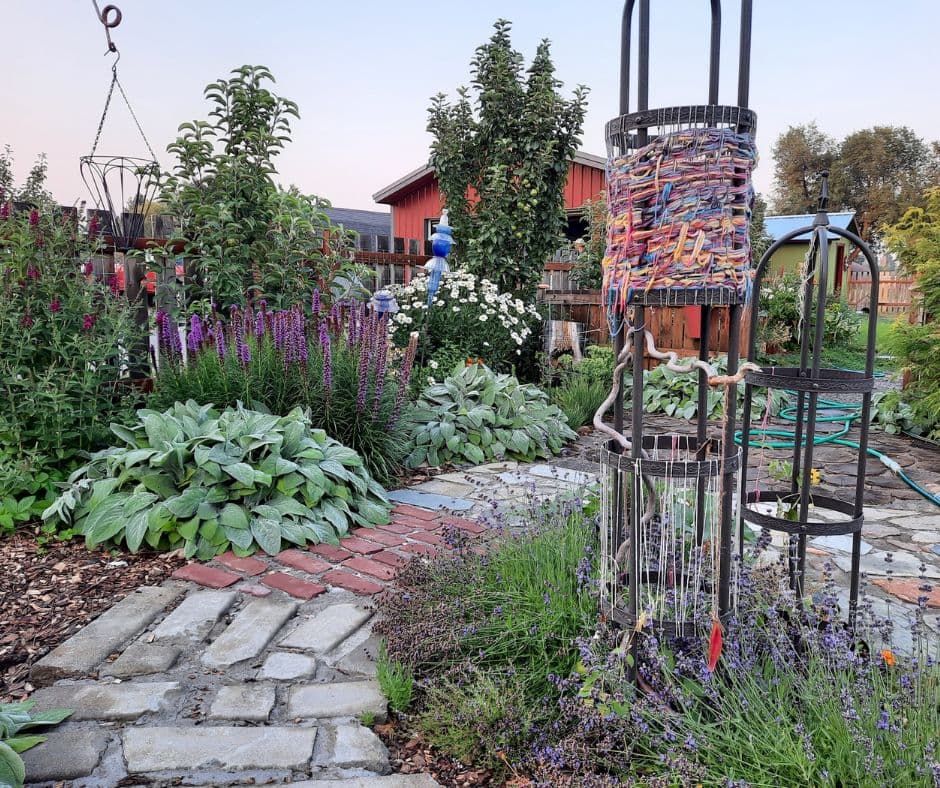
Flowers, soil, herbs, animals, compost, rain, and growing things all give children rich opportunities to explore the world through scent.
Smell has a powerful connection to memory.
Our olfactory system is deeply connected to memory, which is why a single familiar scent can suddenly transport us back to a particular place, person, or moment.
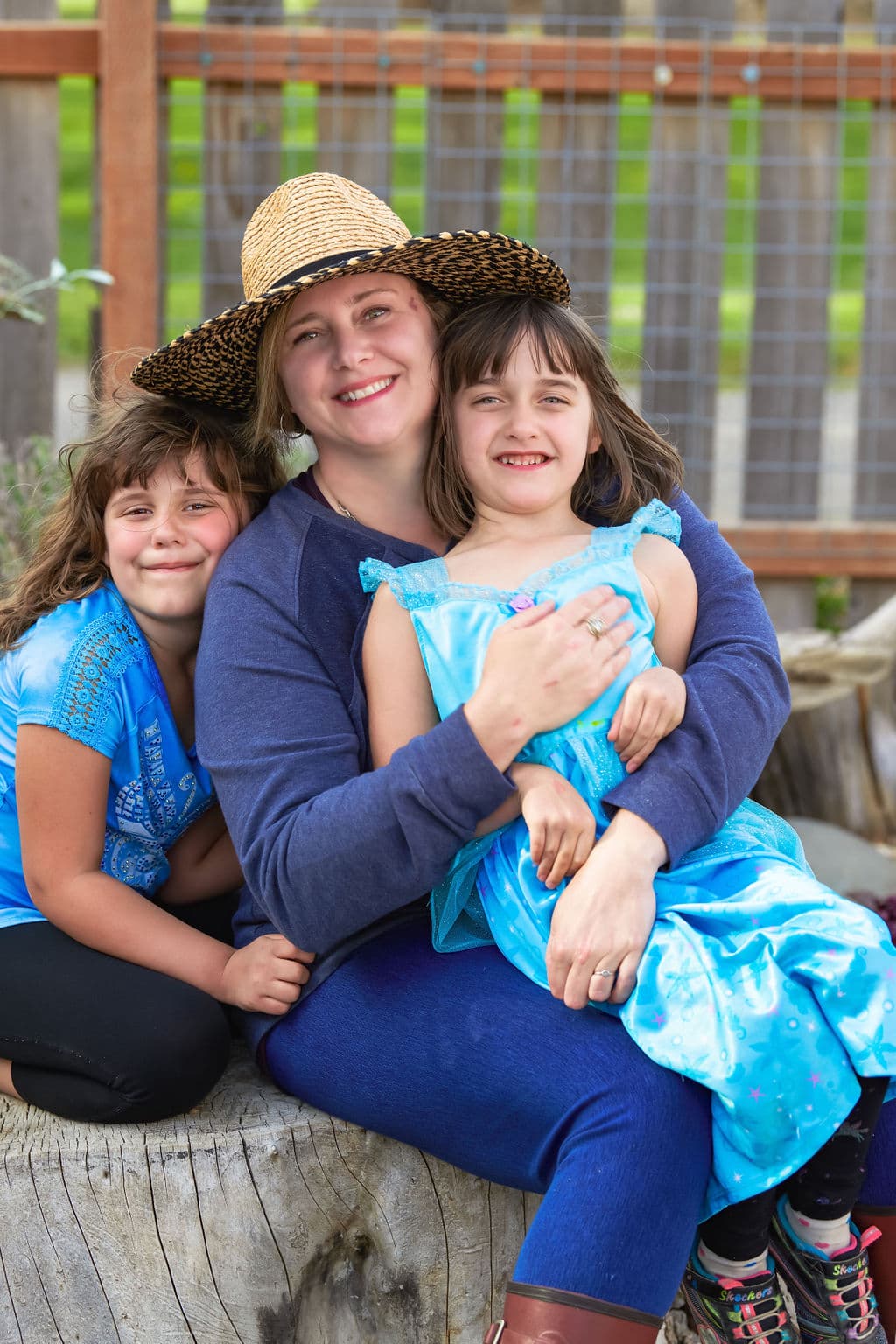
Jena describes the smell of peonies as immediately bringing her back to time spent at her grandfather Julius’s rural farmhouse, where she would bury her face in the flowers and compare the fragrances of different blooms.
Scent has a strange little superpower: one breath can bring an entire memory rushing back.
Nature Invites Children to Get Close
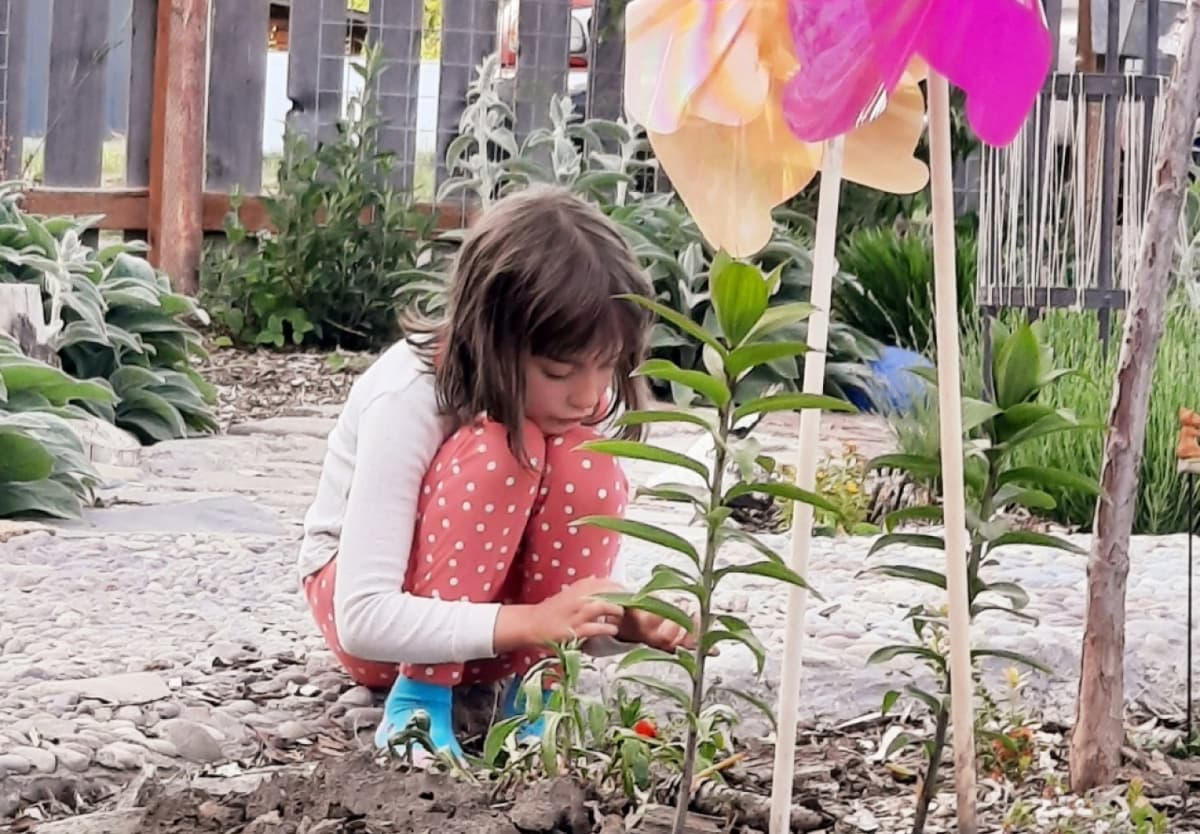
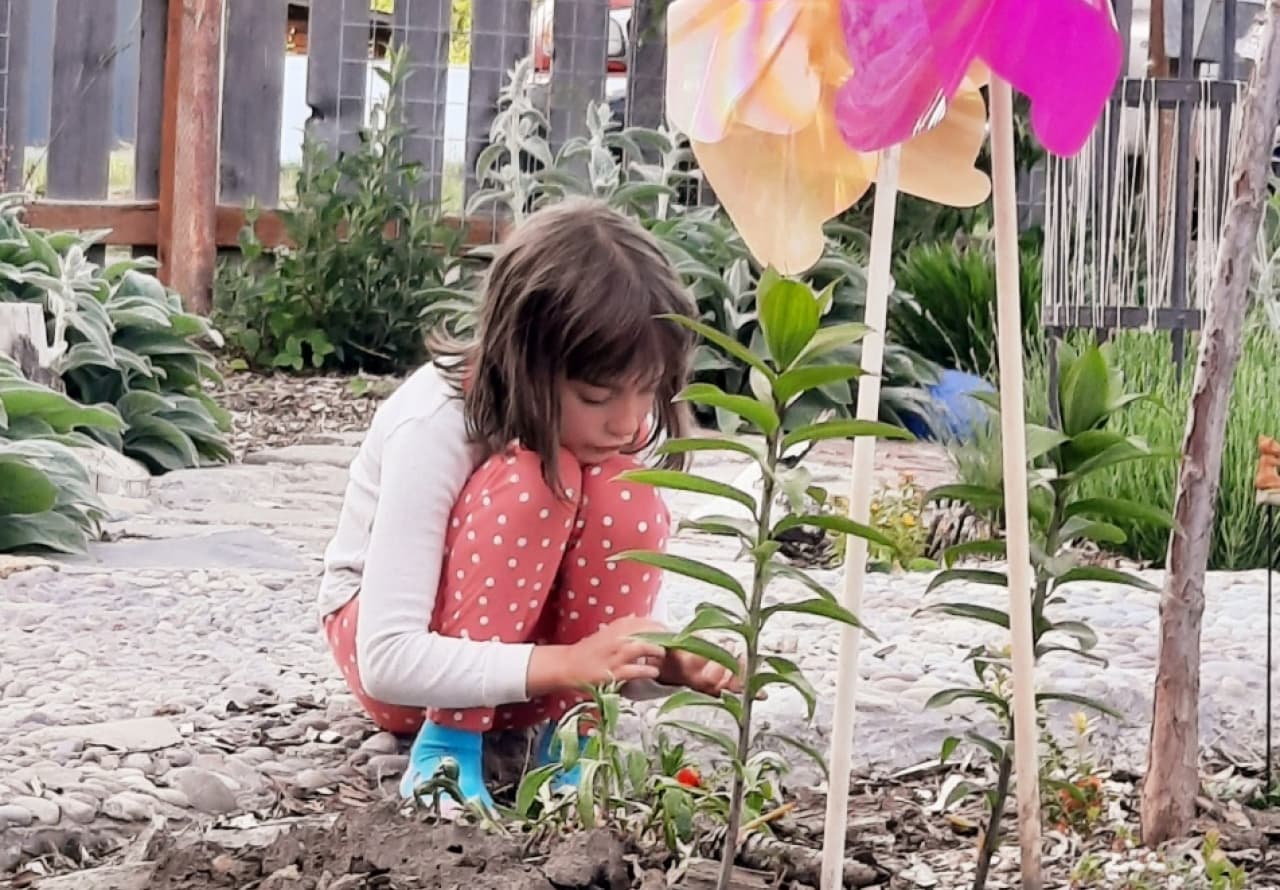
Smell is a particularly intimate sensory experience. Children bring flowers close to their faces, crush leaves between their fingers, dig into soil, and lean toward plants to notice what changes.
Those interactions make the sensory experience stronger and more memorable because children are actively participating rather than simply observing from a distance.
Add More Aromas to the Play Space
A scent-rich outdoor environment does not need to rely only on flowers.
Fragrant plants, water and sand areas, digging spaces, soil, compost, and even caring for animals can all add distinct smells to a children’s play environment. Jena points out that kids often enjoy funky smells too, not just traditionally pleasant ones.
Help Children Notice and Describe What They Smell
Small cues can invite children to explore scent more intentionally. Jena suggests signage such as “Smell Me” near fragrant plants, particularly in spaces designed for children who may benefit from clearer sensory invitations.
Adults can also ask children to describe the scents they notice: What does it remind you of? How does it make you feel? Is one plant sweeter, sharper, earthier, or stronger than another?
Those conversations turn sensory play into opportunities for communication, comparison, emotional awareness, and vocabulary development.
“Good” and “bad” are only the beginning. What else does the smell remind you of?
Digging Is a Full-Body Sensory Experience
Digging in the earth brings together smell, touch, movement, pressure, temperature, and visual exploration.
Fresh soil has a distinctive scent that many people are naturally drawn to, making digging one of the simplest ways to add rich olfactory input to outdoor play.
Sensory Plants for Smell
Fragrant plants are one of the easiest ways to make scent a deliberate part of a nature play space.
Jena highlights several favorites that offer dramatically different fragrance experiences for children.
Chocolate Cosmos
Chocolate cosmos may be the undefeated champion of novelty smells. Its dark flowers have a distinctly chocolate-like fragrance.
Jena describes a child smelling one in her sensory garden and reacting with complete surprise because it smelled like a chocolate bar. That unexpected discovery immediately became something she wanted to share with the other children.
Scented Geraniums
Scented geraniums come in an enormous range of fragrances, including apple, mint, chocolate mint, citrus, rose, cinnamon, cedar, and more.
Because the scent comes strongly from the foliage, children can gently rub or crush the leaves and compare how dramatically different varieties smell.
Grosso Lavender
Lavender is one of the most familiar fragrant plants, and Grosso lavender offers especially strong scent along with long flower spikes and plenty of visual and tactile interest.
Its combination of fragrance, texture, color, and pollinator activity makes it particularly useful in sensory-rich children’s spaces.
Lilacs
Lilacs can fill an outdoor space with fragrance in spring. Different cultivars vary in intensity, so choosing particularly fragrant varieties can make the sensory experience much stronger.
Jena recommends cultivars such as Miss Kim, Sensation, and Maidens Blush for especially noticeable fragrance.
Reine des Violettes Climbing Rose
This nearly thornless climbing rose produces fragrant, violet-colored flowers and can be trained along fences or over pergolas.
That makes it possible to bring fragrance into the actual structure of a play environment rather than keeping aromatic plants only at ground level.
Vanilla Spice Summersweet
Summersweet produces fragrant white blooms with a sweet-spicy scent that attracts both children and pollinators.
It adds another distinct fragrance profile while also creating opportunities for children to notice insects and other life drawn to flowering plants.
Build a Whole Palette of Smells
A sensory-rich outdoor space does not need every plant to smell the same or even smell traditionally pleasant.
Flowers, herbs, earth, leaves, compost, animals, rain, and other natural materials can create a changing scent landscape that gives children more ways to notice, compare, remember, and connect with the natural world.
Nature Play for the 7 Senses
Explore more ways to create sensory-rich natural play and learning spaces for children through Jena’s guide to the seven sensory systems.
Explore the Guide >